Plurifunctional
The Paper FingerPhone, a sustainably designed electronic Musical Instrument
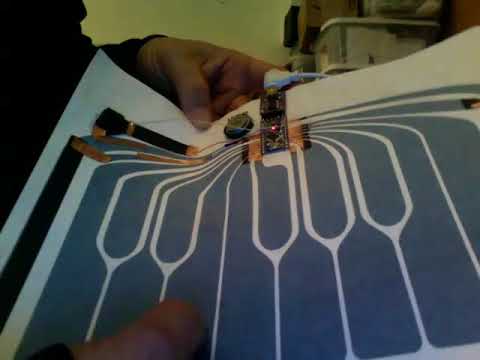
Fri, 01/26/2018 - 16:00 — AdrianFreedThe next version used a pizza box as the resonator to demonstrate reuse as the sustainability aspect was emphasized..
Eventually it was placed on cardboard to be attached to poster board where it won "Best Poster" award at the NIME conference.
The conference paper associated with that poster presentation was chosen for inclusion in the NIME reader.
Notations for Performative Electronics: the case of the CMOS Varactor
Mon, 03/08/2021 - 15:18 — AdrianFreed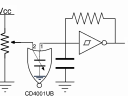
Summary
Demonstrating an unusual application of a CMOS NOR gate to implement a CMOS varactor controlled VCO, I explore the idea of circuit schematics as a music notation and how scholars and practitioners might create and analyze notations as part of the rich web of interactions that constitute current music practice.
A FingerPhone you can buy!
Mon, 06/08/2020 - 09:29 — AdrianFreed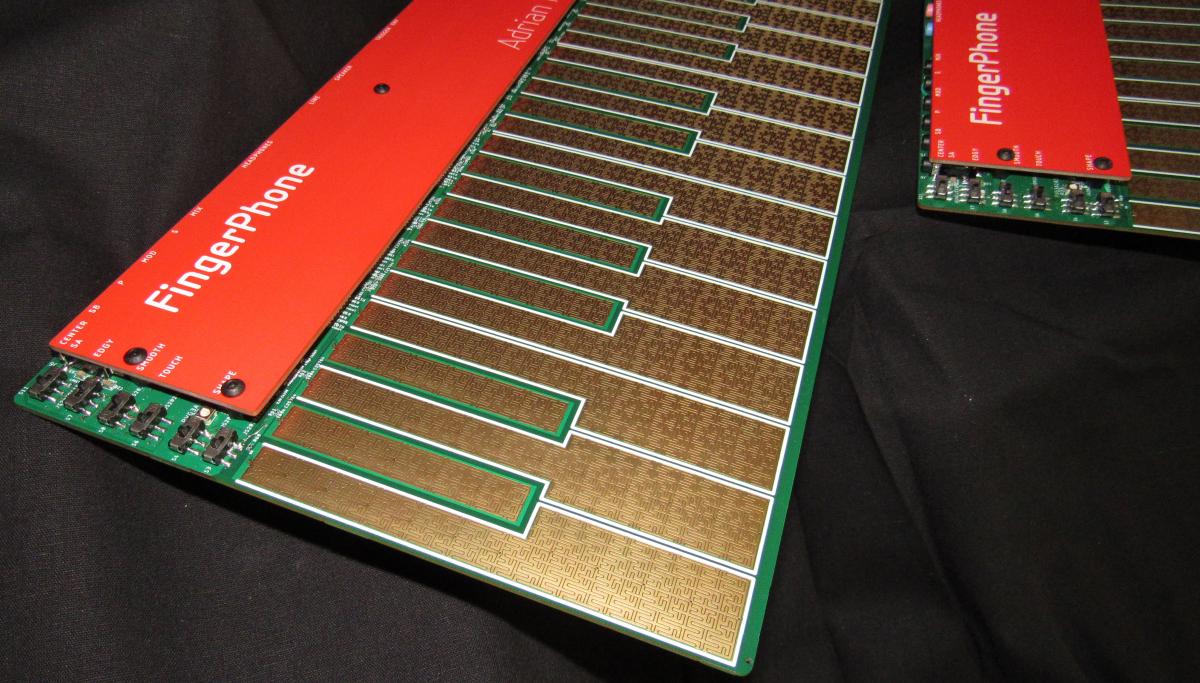
CMOS Inverter Oscillator
Wed, 05/08/2019 - 09:36 — AdrianFreed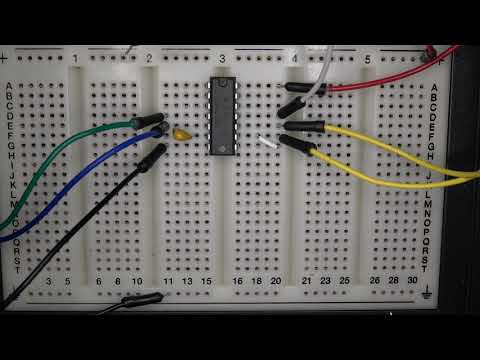
The Paper FingerPhone: a case study of Musical Instrument Redesign for Sustainability
Mon, 01/15/2018 - 15:38 — AdrianFreedCommentary proposed for NIME Reader
The fingerphone is my creative response to three umbridges: the waste and unsustainability of musical instrument manufacturing practices, the prevailing absence of long historical research to underwrite claims of newness in NIME community projects, and the timbral poverty of the singular, strident sawtooth wavefrom of the Stylophone – the point of departure for the fingerphone instrument design.
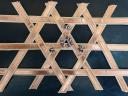
Where there is a Whug there is a Way: Triaxial e-textile Breadboard
Sun, 07/16/2017 - 01:16 — AdrianFreedDescription:
Rectangular grids are dominant forms in electronics and textiles. Triaxial grids have not been explored in e-textile work so this breadboard is offered to begin these explorations. Triaxial grids sample the plane with higher density and the availability of whug connections as well as warp and woof simplifies circuits by providing a natural power/ground/signal triple.