Paper
The Paper FingerPhone, a sustainably designed electronic Musical Instrument
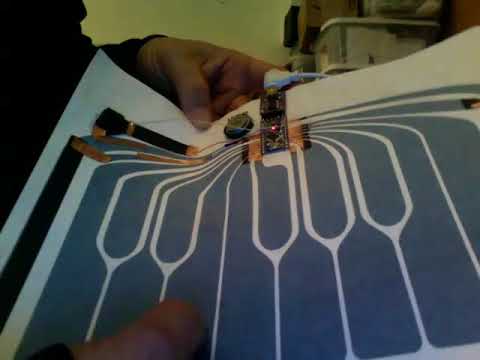
Fri, 01/26/2018 - 16:00 — AdrianFreedThe next version used a pizza box as the resonator to demonstrate reuse as the sustainability aspect was emphasized..
Eventually it was placed on cardboard to be attached to poster board where it won "Best Poster" award at the NIME conference.
The conference paper associated with that poster presentation was chosen for inclusion in the NIME reader.
My best π day
Thu, 03/14/2019 - 11:20 — AdrianFreedIdeas on Building Interactivity in Textiles and Related Fibers
Fri, 01/26/2018 - 16:42 — AdrianFreedThe Paper FingerPhone: a case study of Musical Instrument Redesign for Sustainability
Mon, 01/15/2018 - 15:38 — AdrianFreedCommentary proposed for NIME Reader
The fingerphone is my creative response to three umbridges: the waste and unsustainability of musical instrument manufacturing practices, the prevailing absence of long historical research to underwrite claims of newness in NIME community projects, and the timbral poverty of the singular, strident sawtooth wavefrom of the Stylophone – the point of departure for the fingerphone instrument design.